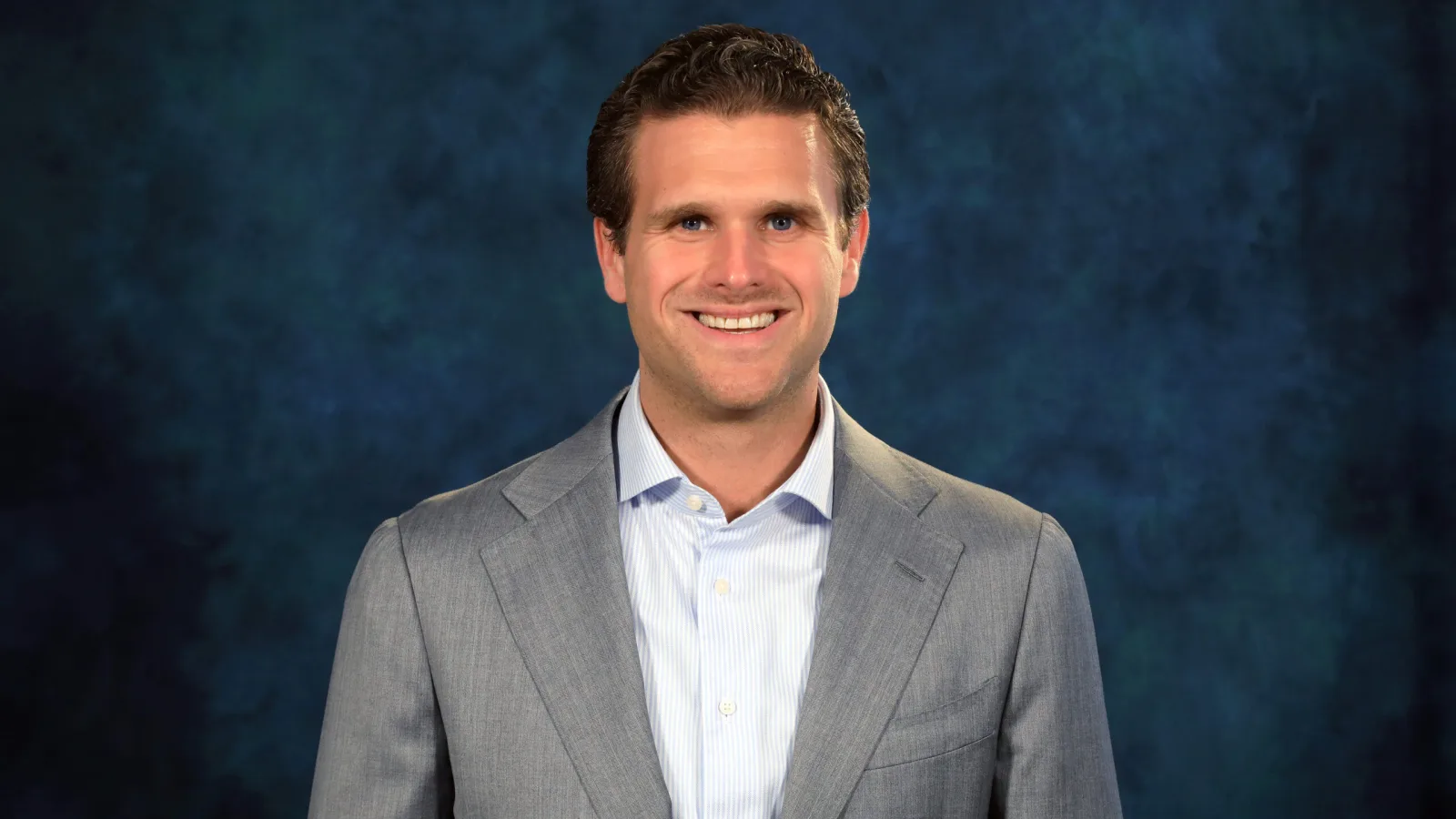
CW: A musician’s first encounter with a new piece of gear might now come through a creator’s video rather than a store visit. And the tools themselves are changing, with advances in music technology and AI raising questions about how musicians will write, record, and perform. In part two of our three-part pre-NAMM Show conversation, NAMM president and CEO John Mlynczak discusses the creator economy’s influence on gear discovery and what the next wave of creative tools could mean for musicians, manufacturers, and retailers.
CW: The way musicians discover new instruments and gear has changed dramatically, with YouTube, TikTok, Instagram and individual creators increasingly influencing purchasing decisions. How do you see the creator economy reshaping the music products industry?
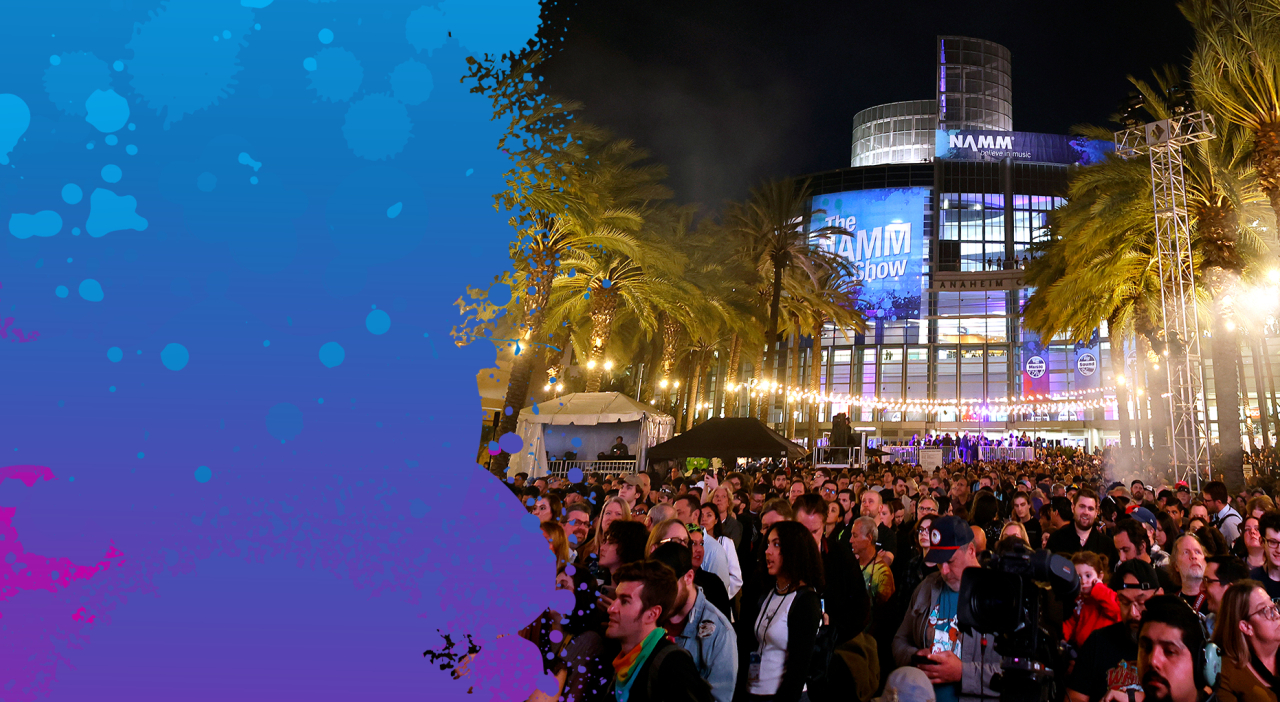
JM: NAMM has been on top of this since 2023. That’s when we launched the Creator Party at the NAMM Show, which has grown into our constantly evolving Creator Lounge. It’s led to massive engagement with creator-led content from the Show, and honestly, it’s driving a huge amount of the ROI of the modern NAMM Show.
Here’s where this keeps growing for us: as creators increasingly influence purchase decisions, the NAMM Show has become the place where more content gets created for consumers in one week than in the rest of the year combined. That’s one of the real values of the Show, period. We didn’t just watch the creator economy reshape the industry — we got ahead of it, by reshaping the value of the NAMM Show around what creators can create for brands. Brands see it too. They’re now using the NAMM Show as a content-creation engine, because nowhere else do they find this many creators in one place. It’s a new kind of value for them, and it’s only growing.
CW: For decades, retailers, magazines, trade shows, and word of mouth were central to gear discovery. As creators and social platforms take on a larger role, where do traditional music retailers fit into that discovery process today?
JM: The retailer is absolutely still involved. What I keep coming back to is the symbiotic relationship between retailers and creators and social platforms. Customers want to learn from creators, they want to see influencers talking about a product online — but they still need to see the product for themselves.
And retailers play a big role here, too. We’re seeing a lot of them build their own content channels now, and we have retailers showing up at the NAMM Show specifically to create content for those channels. So you’ve got that symbiotic relationship at work. Traditional retail is definitely still viable today — it’s just embracing content creation and influence to relate to customers in a more modern way.
CW: What opportunities does the creator economy present for smaller or emerging music products brands that may not have the marketing resources of the industry’s largest manufacturers?
JM: This is a great opportunity, honestly — the creator economy lets smaller brands punch above their weight. It used to be that the big companies with the big marketing budgets had all the power. Now, a smaller brand with the right product can get it into the hands of the right influencer, who sees the potential in it and starts talking about it, and suddenly it’s going viral or getting real traction. That’s an amazing channel.
Creators and influencers make their calls based on what artists are actually looking for, not on who’s spending the most. So a brand of any size can put a product in front of this group, and the group finds the ones with real value. When the product stands on its own and creators start talking about it organically, it’s almost free marketing. We see brands of every size investing in making sure creators see that value — and because that access is open to anyone, it really levels the playing field for consumers to find great products from brands of all sizes.
CW: Influencers and content creators can generate enormous enthusiasm around a product, but musicians still often want to get their hands on an instrument before buying it. How do you see digital discovery and the physical, in-person experience working together going forward?
JM: This really goes back to the retailer question. At the end of the day, yes, there’s a ton of great influence and cool content around a product — but customers still want to put their hands on it and make sure it works for them. That’s why the relationship between the people creating the content and the places where customers can actually get their hands on the product still matters so much.
That’s where digital discovery and the in-person experience really work together, when retailers lean into the creator side of things. And I’ll say it again — the NAMM Show is where we bring this all together. That’s why retail and influencers are both such vital partners of the Show. It’s where brands, retailers and influencers all work together to make sure musicians see the product, understand its value, and know exactly where to find it.
CW: NAMM itself has traditionally been one of the places where the industry discovers what’s new. How is NAMM evolving as product launches and conversations about new gear increasingly take place year-round and online?
JM: I love this question, because NAMM has really embraced the idea that the Show is a year-round value driver now, not a five-day event in January. We actually open registration in September, with the app and the floor plan launching right alongside it. People can register, see the floor plan, click into booths, see product information — brands have more tools than ever to build out their presence on the map with logos, videos, click-through content, built right into the floor plan. The floor plan itself has become a discovery zone, open in September.
That ramp-up from September to January is where discovery between audience and brand can really start happening. Brands use their January appearance as a lead-up, too — if they’ve got a Q4 product launch for the holidays, they can point people to the NAMM Show as the place to see it, hear it, and touch it, whether that’s through their retailers, distributors, artists or influencers.
And it doesn’t stop in January, either. The follow-through is in the content — 70 million-plus views of content created at the Show, and that creator content keeps driving the value of that product for the rest of the year. It’s October right now, and we have brands telling us they’re still getting views and value from content created at the Show. So really, we see the NAMM Show as running September to September — it opens in September, builds to January, and the content from January carries all the way through the following year.
CW: AI is quickly becoming part of music creation — from songwriting and production tools to instrument design and music education — and it’s also prompted concerns among musicians about authorship, originality, compensation, and the value of human creativity. Where do you see the most meaningful opportunities for AI in the music products industry, and what conversations does our industry need to be having right now?
JM: AI is definitely becoming part of music creation — honestly, it already has. We used to call these things plugins ten years ago. Now it’s songwriting, production, instrument design, and more, and we see real value in it. But what we have to do is lean into AI as a tool that lets creative humans create faster. That’s all it is — another tool. It just moves and evolves faster than the tools we’ve had before. Technology has always let humans create faster, and AI is no different. We need to embrace it, but make sure it keeps that human-centric, human-intelligence value at the core.
At the same time, the concerns about authorship and originality are real, and we take them seriously. NAMM works on a number of coalitions with partners from inside and outside our industry to lobby and advocate for ethically trained AI and fair compensation for creators’ rights, and we’re going to keep going down that path. These are important conversations for anyone building apps, creation tools, or AI-driven products in our space — we’re an industry built on supporting each other, and that has to stay true as we think about ethical training and fair compensation.
That’s really what the NAMM Show is for — getting everyone in one room to talk about working together, and to understand how creators, tools, and products all fit in an AI-driven world.
CW: We’ve seen technology repeatedly lower the barriers to making music, from affordable recording equipment and software to mobile apps and increasingly sophisticated AI tools. Do you think the next generation of technology can meaningfully expand the number of people who consider themselves music makers?
JM: I’ve been following this trend for a long time in my career, back to the days when I was integrating technology into education in ways it wasn’t yet being used. And yes, apps and tools have definitely lowered the barrier to entry — that’s always a benefit. More people getting the music bug is key.
But here’s what I think we need to consider: as that barrier gets lower — say, prompting a song instead of studying an instrument and building it yourself — the distance from that barrier to actually becoming a musician who can create on their own gets bigger, not smaller. So yes, lowering the barrier to entry so more people get the bug is great. I totally agree with that. But if we lower the barrier and don’t address that now-bigger gap, we might just end up with more people starting and more people quitting.
So what I think the industry should really focus on isn’t the barrier to entry — it’s the distance between the barrier and getting people into a lifelong career of making music.
CW: As instruments become increasingly connected to software, subscriptions, cloud services, and AI-powered features, are we beginning to see the definition of a “music product” itself change? What does that mean for manufacturers and retailers?
JM: I’m not sure the music product itself is really changing, but I love this question, because what I think manufacturers and retailers are actually looking at is how the product connects to the community — and how the community connects back. Yes, a product has a subscription now, there’s a software component, maybe a cloud community, maybe AI. But what I see is brands wanting to stay connected to their audience, wanting to build a network, a community, an ecosystem.
So when you see a product with an online subscription and a connected community built around it, I think the product itself at its core hasn’t changed much. What’s changed is that the product maker wants the musician using it to stay connected to them and keep evolving together — that’s the real shift.
CW: Looking five or 10 years ahead, what do you think will change most about the way musicians discover, choose, and ultimately create with musical instruments and technology?
JM: Right now, I think we’re in the messy, exciting middle of a transition — the fun kind of messy. We spent the last several years figuring out the creator economy: influencers, YouTube, social discovery. We’ve grown through that, and as an industry we now understand that market and how it connects. Now we’re adding agentic AI into consumer habits, and that’s kicking off another couple years of that same messy, figuring-it-out period.
If you think about it like storming, norming, performing, I’d say we’re in the storming phase with AI right now — a good kind of storming, where we’re ping-ponging, exploring, trying different things. I think we’ll be norming in about two years and performing in about five, meaning the relationship between the AI agent, the influencer, and the retailer becomes a habit instead of something new to figure out every time. Once we land that symbiotic relationship, I think we move faster as an industry and bring more people into music than ever before.
That same speed shows up on the product side, too. I think we’ll prototype faster, test faster, get feedback faster, and fail faster when we need to. That’s the speed we’re looking for. So five to ten years out, I see AI, retail, and influencer all stabilizing, normalizing, and performing at a higher level — and that’s what lets us create and retain more music makers than ever before.