For a drummer, moving beyond that first kit is a milestone. It’s the point where an instrument becomes more than something to learn on and starts reflecting the player’s developing sound, style, and ambitions. Today’s step-up market gives those players more choices than ever, with premium woods, upgraded hardware, expanded configurations, and increasingly sophisticated finishes available without making the leap to a top-tier professional kit.
But more choice also means a more complicated buying decision. Price and value remain critical, while social media, online research, electronic drums, and changing purchasing habits are reshaping how players arrive at that second serious kit — and making the expertise of trusted MI retailers especially valuable.
For this month’s cover feature, “A Step Above: Acoustic Drum Kits for Players Ready for More,” we check in with Scott Donnell of Drum Workshop, Bill Ludwig of TAMA, Matt Rudin of Yamaha, and Jeff Mulvihill of KHS to discuss what’s selling, what today’s players expect from a step-up kit, and where this important segment of the acoustic drum market is headed.



What is (are) currently your best-selling step-up acoustic drum kit(s), and what do you think is driving their success?
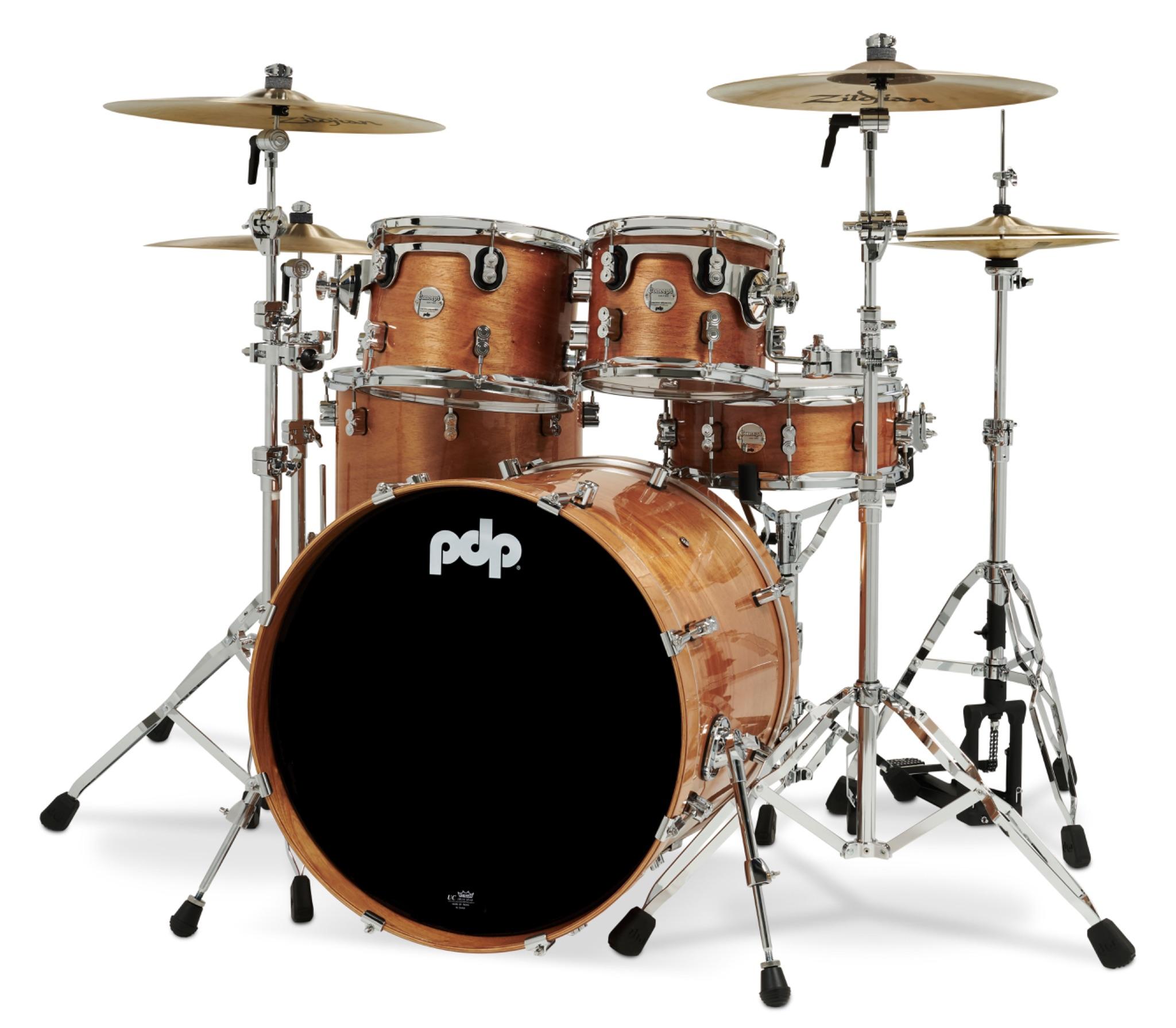
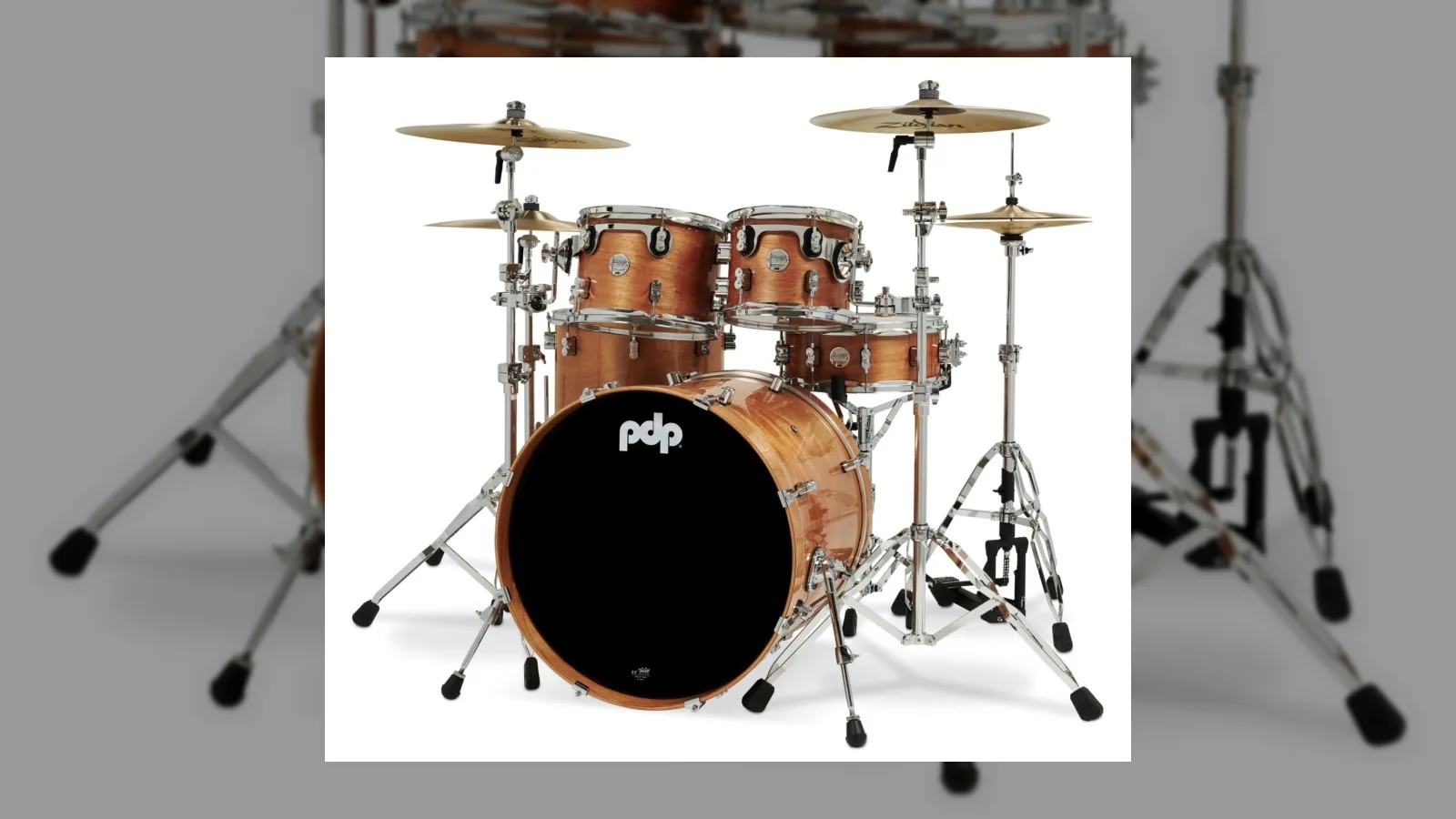
Scott Donnell: Our PDP brand has established incredible value for drummers over the years. We were the first to have an all-maple kit at an accessible price — the same maple we use on our custom kits. We have worked hard to carry over that value proposition with professional, boutique-inspired features that more drummers can access. The Concept Series is the perfect example of a “step-up” kit that is full- featured and built to last. It’s also the perfect bridge into the DW Design Series range.
Bill Ludwig: Starclassic Performer Maple/Birch and Starclassic Walnut/Birch are the two best-selling kits from TAMA I would consider a “step up” kit. TAMA’s long running reputation for dependable, innovative products helps drive our success, along with a high value. Starclassic was introduced in the mid-90s and has since been considered TAMA’s professional workhorse kit, and our Starclassic Performer line especially packs a large amount of higher end features into an extremely reasonable price point.
Jeff Mulvihill: For Mapex, the Armory Series has been a cornerstone of the mid-range or “Step-up” market for more than 10 years and it’s not slowing down. There is so much value packed into this product that it catches the eyes and ears of both aspiring step-up customers as well as pro players. Hybrid shell, proprietary bearing edges, veneer outer finish with fade lacquer colors in several choices both subtle and vibrant is driving the success. There is really something for every drummer here.
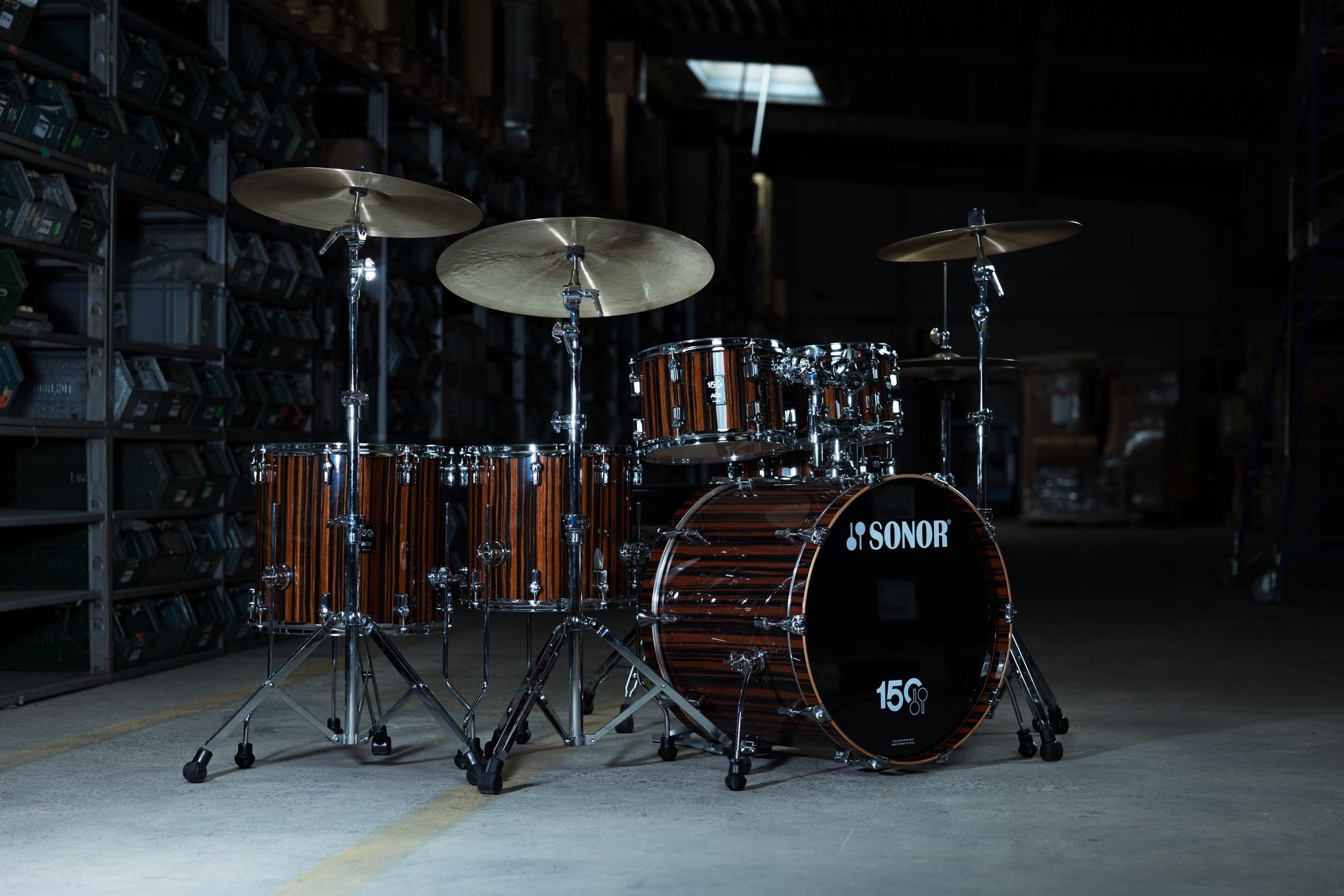
Last year Sonor celebrated its 150th anniversary and as part of that celebration we produced a special anniversary edition of the Mid-range AQ2 series kits appointed with an Ebony grain vertical outer veneer that presented a stunning product in the Step-up space. These kits have continued to be very successful beyond our anniversary year.
Matt Rudin: We (Yamaha Marketing) consider step-up products anything a customer would buy at a higher price point than the model they're currently playing. When we talk about Yamaha products, this goes all the way up to our professional-grade drum sets, like the Recording Custom, Absolute Hybrid Maple or Live Custom Hybrid Oak.
Then there is the standard industry definition of “step-up,” which focuses on intermediate drums, between the 1,000s price range. These drums offer drummers a bit more in tone, build quality and options.Step-up drums offer higher-quality materials and hardware and, in the case of the Stage Custom and Tour Custom lines, individual components as well as one-box solutions. This gives drummers looking to expand their kit with different bass drum sizes, additional toms or floor toms, the ability to do so at any time. This is something you won’t find in an entry-level line.
JM: When you make the jump from an entry level kit to a step up or mid-range kit one main difference is that you make the transition to a shell pack only rather than a fully outfitted set with hardware, pedals and sometimes even cymbals. This is where the value shifts and your money goes into the higher quality of the shell, finish, and sound rather than a complete package of entry level drums and hardware.
BL: Many kits can really be a step up from entry level, depending on the individual. Higher quality features, shells, and parts are typically what differentiates entry level from the next step up. However, I feel drummers who are looking to make an improvement to their sound with a ‘step up’ kit may look a step or two higher than entry level and willing to spend a little more if it’s within their budget.
SD: There’s no doubt that expectations and specifications have evolved in recent times. It’s truly incredible what drummers can get for their money in today’s competitive world of mid-priced drum sets. These kits now feature premium tone woods, drum hardware innovations developed for our high-end models, as well as elevated finish options.
What features are drummers prioritizing when moving up to their second or more serious kit — shell materials and construction, hardware, finishes, configuration, brand reputation, or something else?
SD: Drummers have a wide selection of choices when it comes to graduating to the next level. They can choose their preferences and sound characteristics from a myriad of shell types that include both popular tone woods such maple and birch and esoteric hybrid options. Finishes have also become a key differentiator. Our Slingerland Studio King lineup has some very cool retro offerings with more on the way. Configurations are also important. Drummers are still partial to DW F.A.S.T (fundamentally accurate sized toms) while traditional sizes seem to be the trend in recent years.
BL: All of the above, really. Shell materials can target specific genres or offer a sonic quality they don’t have with their previous kit(s). Drummers in the market for a new kit will typically compare any potential candidate against their current kit. This can really lead them towards specific materials, hardware, finishes, and even brand preference based on their past kits and experience.
JM: The factors listed here are exactly right on, and I think that maybe the one thing to add would be image. What I mean by that is prioritizing your purchase by what image you love, who your favorite drum heroes are, what your friends might be playing, or how you see your own style taking shape as a player.
MR: There isn’t one feature that stands out above the rest when it comes to step-up drums. A first step-up drum set is often a huge milestone for drummers. By the time they have reached this point in their musical journey, they have begun to refine their sound and style, discovered new drummers that they find influential and inspirational and have expanded their knowledge base of drum manufacturers and what is available on the market. It is a collection of all these things that will help shape what a drummer prioritizes. A step-up customer may be looking for a kit with an exciting finish that they can add an 8” tom or 18” floor tom to, or they may want to start sharing more content online and need a kit that sounds better than what they currently have. Often it is the case that they want a kit that they can start gigging frequently with, that has durable hardware and will sound great in any venue they find themselves in; that is why our Tour Custom is a top choice for many drummers that want a kit that they can take on the road and will deliver night after night, no matter the gig, while still being affordable.
How important is price in the step-up category right now, and where do you see the sweet spot between affordability and the features players expect from a more serious instrument?
JM: Price is important in nearly every category and for this mid-range the sweet spot is $1,500. This range is where this business lives.
BL: Price is always important and trends will come and go depending on what drummers want, what choices they have in their budget, and the feedback they get from other drummers/artists/experts. I’ve mentioned that our Starclassic lines have been successful “step up” kits, but it’s worth mentioning that TAMA has always focused on ‘value’ as a core priority. True for our whole lineup, we want drummers buying at any price point to get more features and benefits relative to the price they pay.
MR: For many drummers right now, price is a major factor in buying a step-up drum set. Because of this, we find that putting emphasis on value is very important. At this stage drummers may be taking more serious gigs, having a drum set that won’t break the bank, yet at the same time is reliable on the road, easy to tune, and will get the job done no matter what the situations or setting. They may also be looking into recording and want a versatile set that sounds great no matter what style of music they play.
While features are important, this segment of customers is often on a tight budget and may not be looking for just drums. They may need to balance their budget on drum shells, cymbals, recording gear, and more. So, delivering a high-quality set within their budget is very important.
SD: Price is always an important factor. When designing ultra high-end, made-to -order instruments it’s easy to dream first and consider the price tag later. That customer experience has been well established. The challenge is to offer a premium instrument that doesn’t break the bank and is in-line with the competition. Drummers are brand loyal, but only to point. They expect pro quality when stepping up.
Are today’s customers approaching their first major drum-kit upgrade differently than they did five or ten years ago? If so, what has changed?
SD: Many of today’s players are starting on electronic kits. The ability to control volume and a compact footprint are compelling for parents and those with less real estate to spare. This is a change from previous generations that exclusively learned on entry level acoustic kits. Going from electronic to acoustic is obviously a very different transition. This is probably the most notable change we’ve experienced.
BL: I’m not sure if they are approaching it differently, but it does seem that the current trend has more drummers looking to ‘buy up’ as opposed to ‘buy often’. Surely not true for all, but some drummers are more willing to make larger jumps in the price/quality of their kit when upgrading.
MR: A lot of what drummers are looking for in acoustic drum kits has stayed the same; however, customers have much more choice now than they did 10 years ago. On top of this, the way they receive information and influence on what kit to buy has changed dramatically. We all know social media plays a larger role in decision-making than it ever has, and consumers gather information on specs, quality, sonic properties, new products and just about every detail that influences the purchasing decision. Some of this information is great and helps keep them informed, but unfortunately there’s also misleading information out there.
JM: The main change continues to be online purchasing, which continues to evolve even beyond what we have been seeing from five or ten years ago. It has become such a daily and routine part of life. This activity was once relegated to smaller purchases and lower cost items and today we see online purchases increase into the thousands of dollars without blinking an eye.
What role does the independent drum shop or music retailer play in selling step-up kits, particularly when customers can research and compare seemingly endless options online?
MR: Having a lot of information to choose from can be great for a customer. However, since there is so much noise and not all of the information is authentic or verified to be true, it is now more important than ever for dealers and shop owners to reach out to audiences as trusted experts with information that resonates with their audience and reflects how unique their individual shops and employees are. No algorithm- or AI-built content can build consumer trust like a well-known shop owner and their staff. On top of this, retailers can offer consumers a place to physically come and test out products or just hang out with like-minded musicians.
JM: The retailer role is important when a culture is part of the customer experience. Getting an entry level purchase for a first-time drummer is not the end of the process. Win the loyalty of the parents, spread the friendly atmosphere that musicians enjoy, allow that young person to feel comfortable and confident so that they grow into the next step-up experience with the shop playing a role every time along the way.
BL: I think drummers respect opinions of other drummers and ultimately seek out help and opinions from their trusted sources. For many, this is their local music store or drum shop. The internet is always going to make it easier to find the information you want, but I believe that drummers finding this information online will end up looking at content from drum shops and retailers, especially when buying something above an entry level kit.
SD: Our independent retail partners are incredibly important, not just to our business, but to the market segment at large. Generally speaking, they're focused on product knowledge and provide hands-on advice when drummers are considering their next big purchase. Yes, we are in a digital world and most consumers research key buying decisions online, but the support at smaller retail shops reinforces those considerations—it’s where the rubber meets the road.
Looking ahead, what trends do you expect to shape the step-up acoustic drum market over the next few years, and what should retailers be paying attention to?
SD: There are some external factors that will help inform this price point over the coming years. Tariffs and material costs continue to rise, challenging the value-for-money proposition that drives mine level drums. At Drum Workshop, we will continue to elevate and innovate the instrument and the art form and give drummers “more choices” so they can find their sound and look. Our PDP tagline says it all: “Play What Inspires You.”
JM: This might be a long shot and might get under some people’s skin out there, but I am hopeful that we truly see an increase in step-up acoustic drum sales as a result of eliminating the electronic drum kit script. Yes, they are quieter, and yes, they perhaps are more appealing for parents and landlords, but if we are drumming, LET’S DRUM! And let’s drum on REAL DRUMS so you and your fellow musicians can feel the actual power and thrill of making music together.
BL: Trends are hard to predict and can change quickly. I think retailers who are able to develop a drum community in their store or online presence will attract more drummers and ultimately improve all aspects of the drum business. Making it exciting and interesting to visit your store(s) and becoming the information source for all drummers will make you a trusted source and “go-to” when they’re looking for that step-up kit.
MR: I am not sure much will change in the physical construction of step-up acoustic drums. While there could be small changes to hardware or even finishes, the biggest trends will revolve around supplementary technology. More consumers will start to incorporate electronics/devices into their acoustic setups and performances. Whether for recording, bringing in electronic sounds/samples, or even how they gather information to make purchasing decisions, new technologies are reshaping everything. While it is important to pay attention to these trends, keeping things simple and focusing on the basic needs of balancing value with durability, options and quality of sound will help customers find a great step-up acoustic drum set, no matter what the trends may be.