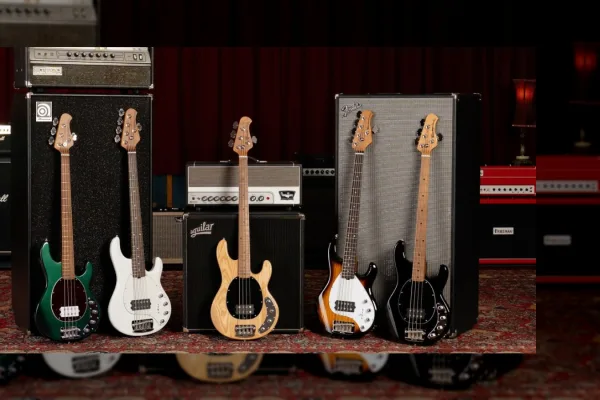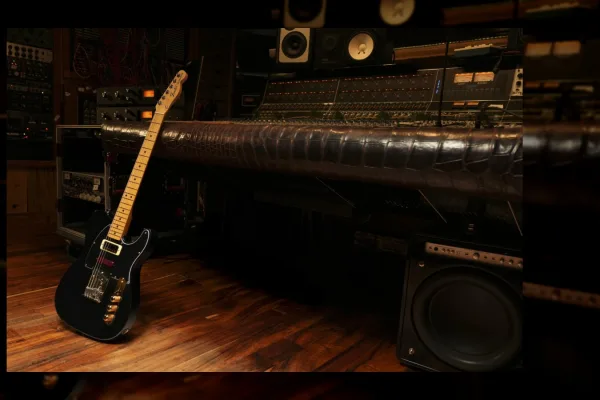
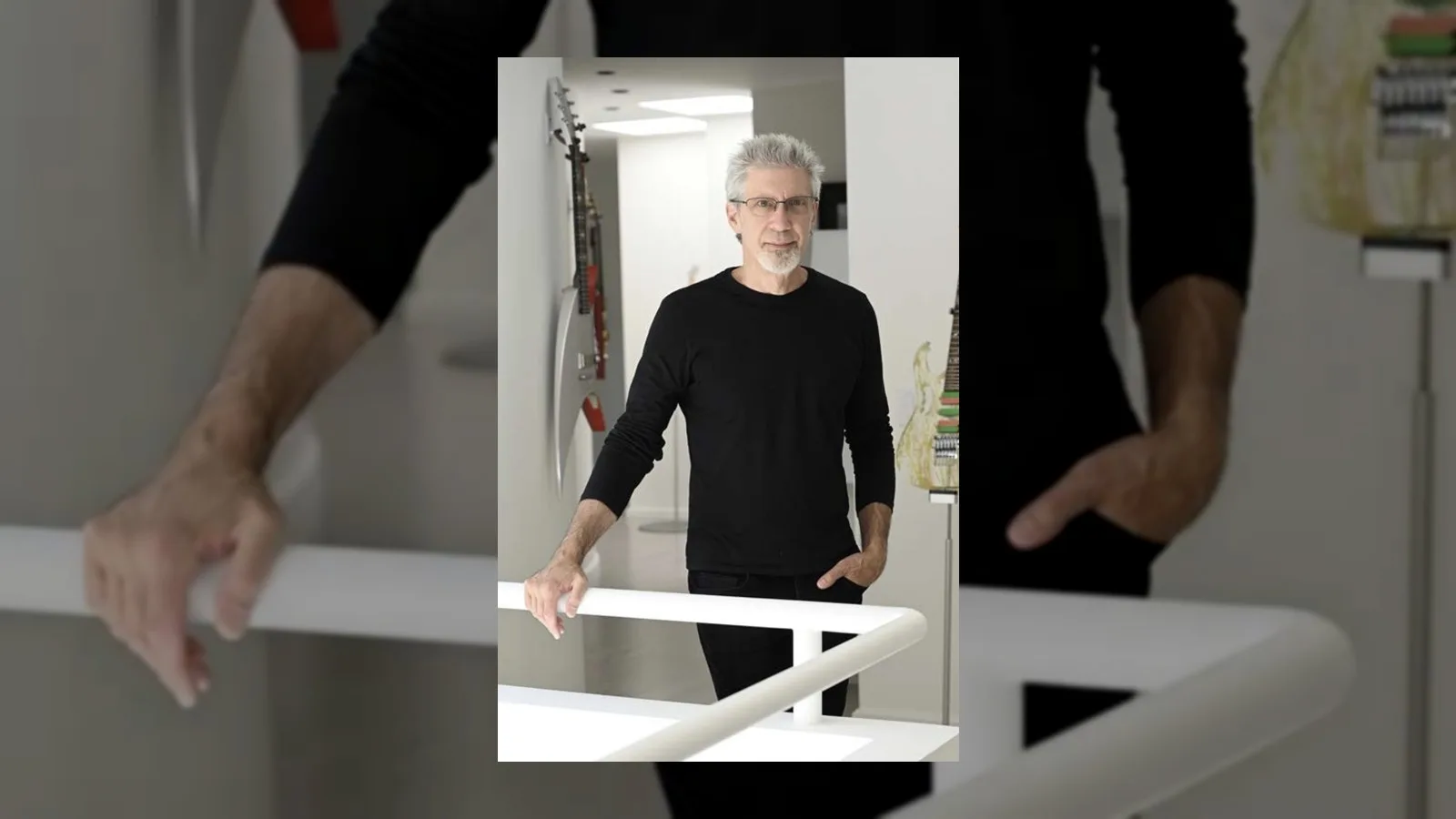
A guitar can be a musical instrument and a work of art at the same time. That idea is at the heart of Errol Antzis’s newly released Playable Art: A Life with Guitars, which brings together more than 50 years of playing and collecting in a striking photographic book.
This is a collection shaped by an unusual point of view. Its defining interest isn’t vintage rarity, prized 1959 Les Pauls or instruments made famous by celebrity owners and signatures. Errol is drawn to guitars whose shapes, materials, colors and construction make them visually —sometimes beautiful, sometimes surprising, sometimes wonderfully strange. Yet these are very much musical instruments, built to be played.
Featuring about 230 guitars, Playable Art explores the imagination of the luthiers, designers and artists who stretch our expectations of what a guitar can look like. Familiar makers sit alongside adventurous builders and unexpected discoveries, united by Errol’s fascination with the meeting of visual design, craftsmanship and musical expression.
Photographer Michelle Blum gives that vision an equally imaginative setting. She places the guitars within landscapes, distinctive interiors and unexpected surroundings, often alongside objects that echo their forms or suggest a story. The photographs invite readers to appreciate each instrument as both a guitar and an artwork.
The book is also a personal journey. Errol recounts the friendships, travels and chance encounters that brought these instruments into his life—from the used Hagstrom III he bought for $30 at 14 and refinished himself to an aluminum Jackson Roswell Rhoads that sharpened his appreciation of guitars as art. There are guitars found through extensive searches and purely through serendipity, encounters with inventive craftspeople, and the familiar logic of a collector who decides 250 guitars are too many because he “only” needs 200.
Contributions from Grammy-winning musicians and well-known luthiers add the perspectives of those who play and build these instruments. Readers can also hear music Errol recorded using guitars featured in the book through his Psychoteria recordings.
Together, the instruments, photography and personal stories make Playable Art a subject for readers interested in music, art, design, photography and collecting. It offers a distinctive look at how a familiar instrument can become a vehicle for extraordinary creativity—and how collecting those instruments can become part of a life story.
For more information, visit errolantzis.com.