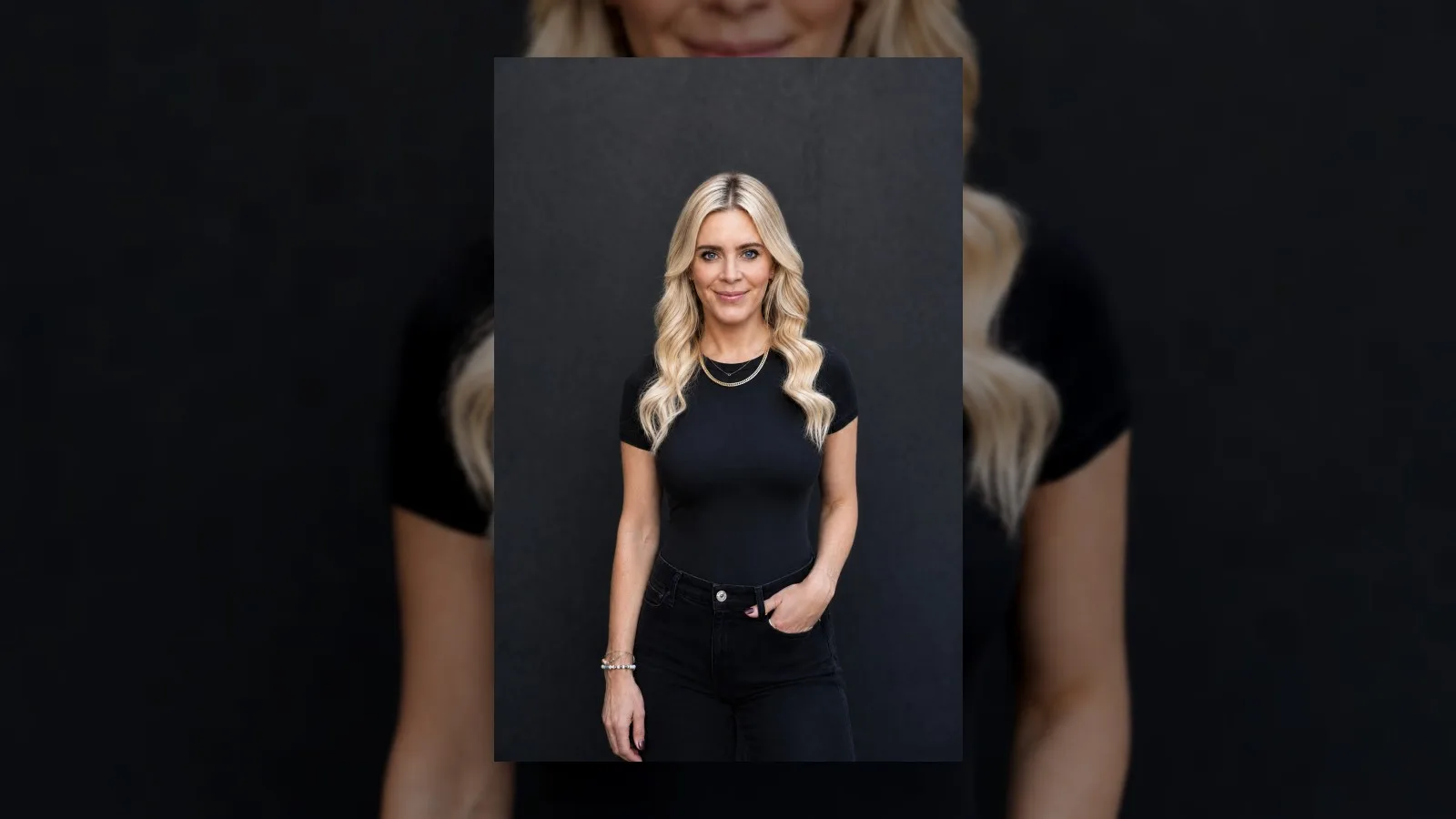
Christina Stejskal is no stranger to Fender — or to telling the story of one of the most recognizable brands in the music products industry. After previously spending nearly a decade helping shape Fender’s global communications through a period of substantial growth and digital transformation, Stejskal has returned to the company as chief communications officer. In her new role, she’ll oversee everything from brand and product communications to creator strategy and corporate reputation as Fender continues to balance its considerable legacy with an ever-evolving role in music and culture. MMR recently caught up with Stejskal to discuss her return to Fender, what’s changed since her first tenure, and how she plans to help tell the company’s story in the years ahead.
Thank you so much! There’s something really special about coming back “home” to a company and a brand that has meant so much to me personally and professionally. I loved being part of my first chapter at Fender and helping tell the story of the brand during a really important period of growth and evolution.
Coming back feels like an opportunity to be part of the next chapter. There is so much happening across music, culture and technology, and so many new ways for Fender to connect with players and the broader community. I’m excited to help shape how we tell those stories, while always staying grounded in what makes Fender Fender.
You previously spent nearly a decade at Fender before moving to Dolby Laboratories. How did your experience at Dolby shape your perspective, and what new insights are you bringing back to Fender?
Dolby is an incredibly innovative company, and I had the opportunity to work alongside some really smart and talented people. One of the benefits of stepping outside of a company you know so well is that you get exposed to different ways of thinking, operating and solving problems.
I came back to Fender with a fresh perspective and an appreciation for different approaches to collaboration, storytelling and innovation. I also gained a deeper understanding of how technology and innovation stories can be made relevant and accessible to broader audiences. Every experience gives you new tools and perspectives, and I’m excited to bring those learnings with me while building on everything that already makes Fender such a special place.
Fender is one of the most iconic brands in music history. How do you approach communicating the company’s legacy while continuing to tell a story that resonates with today’s musicians and new generations of players?
Heritage is part of Fender’s DNA. You can’t tell the story of Fender without telling the story of the artists, instruments and cultural moments that have shaped music for generations. But what I love is that our history isn’t static — it continues to influence what comes next.
The way people discover music, learn instruments, find inspiration and connect with one another has changed dramatically, and communications has to evolve with that. For me, it’s about finding the right balance: honoring the history and credibility Fender has earned while meeting players where they are today and making sure the brand continues to feel relevant to the next generation.
During your previous tenure at Fender, you helped lead communications around major initiatives including the American Professional Series, American Acoustasonic Telecaster, Fender’s digital ecosystem, and the Tokyo flagship store. What did those launches teach you about connecting products and brand storytelling with players?
One of the biggest opportunities is recognizing that it’s about more than just the product. We have an incredibly innovative team that is constantly pushing the boundaries of design, craftsmanship and what an instrument can do for a player. Communications gives us the opportunity to tell the bigger story behind that work — why we created something, what inspired it, what it enables creatively and why it matters.
I’ve also learned there isn’t a one-size-fits-all approach. What resonates with a gear-focused audience may be different from what connects with a broader cultural audience, and a story may come to life differently around the world. The opportunity is to find the universal truth at the center and then tell it in a way that feels authentic and relevant to each audience.
The ways musicians discover, learn, and engage with instruments continue to evolve through digital platforms, creators, and online communities. How do you see these channels shaping Fender’s communications strategy moving forward?
This is one of the areas I’m most excited about because the way people discover brands, music and each other continues to evolve so quickly. The definition of media has expanded, and creators and online communities have an incredibly important role in shaping conversations and culture.
For us, that means thinking beyond traditional PR and looking at earned media, creators, artists, social and our own channels as a connected ecosystem. It also means staying close to our community, moving at the speed of culture and not being afraid to experiment with new platforms, formats and ways of storytelling. We’re continuously learning and looking at what’s happening both inside and outside our industry for inspiration. Ultimately, it comes back to meeting players where they are and finding authentic ways to be part of the conversations they care about.
Fender has made significant efforts to expand its reach to new and diverse audiences while remaining connected to its core player base. How do you balance honoring Fender’s heritage with creating a more inclusive vision for the future?
Fender’s heritage has always been shaped by the people who pick up our instruments and make them their own. As we look forward, we want to continue celebrating that history while making sure the next generation of players can see themselves as part of Fender’s story.
Music has this incredible ability to connect people across generations, backgrounds, genres and geographies. Our role is to celebrate the breadth of that community, continue creating opportunities for new voices and perspectives, and make sure Fender feels welcoming and relevant to anyone who wants to pick up an instrument and create.
As chief communications officer, you’ll oversee brand, product, executive, internal, and corporate communications. What are some of your key priorities as you step into this expanded role?
My biggest priority is making sure we’re telling a clear, connected Fender story across everything we do. There is so much happening across the company — from product and innovation to artists, culture and our global business — and I want communications to help connect those dots.
I’m also focused on continuing to strengthen how we engage with our employees, players, partners and the broader music community. And, of course, a big part of my role is looking ahead: identifying where Fender can contribute meaningfully to conversations around music and culture and finding new ways to tell those stories.
Looking ahead, what excites you most about Fender’s future and the opportunity to help tell the stories of the musicians, creators, and communities that continue to shape the brand?
What excites me most is the community around Fender. Our history has been shaped by generations of musicians, artists, creators, builders, dealers, employees and fans who have their own relationship with the brand — and that community continues to evolve.
There are more ways than ever for someone to discover music, learn to play, create something of their own and find other people who share that passion. I love that someone can learn their first chord from a creator across the world, discover an artist through a completely unexpected platform or make music in their bedroom that reaches millions of people.
Being able to celebrate that community, tell those stories and help shape what the next chapter of Fender looks like is a pretty special opportunity.