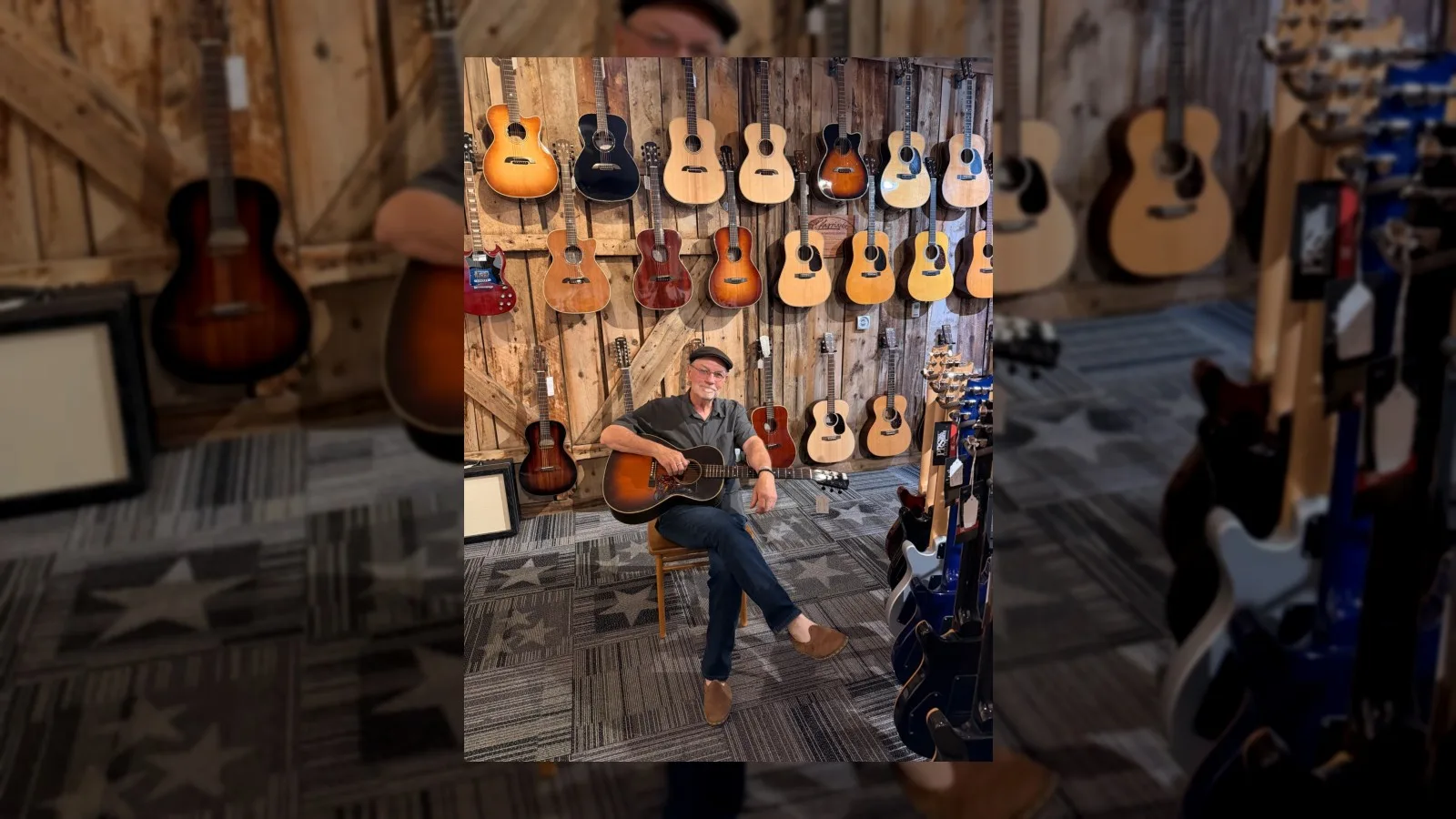
For 25 years, Starr’s Guitars has been part of the musical landscape in Cedaredge, Colorado, weathering seismic changes in both the music products industry and the way musicians shop for gear. Through it all, owner David Starr has kept the focus on the things that independent retailers have always done best: knowing their customers, knowing their products, and creating a place where musicians want to spend time. As Starr’s Guitars celebrates its 25th anniversary, MMR caught up with Starr to look back at the store’s beginnings, the lessons learned along the way, and what keeps him excited about the business a quarter-century later.
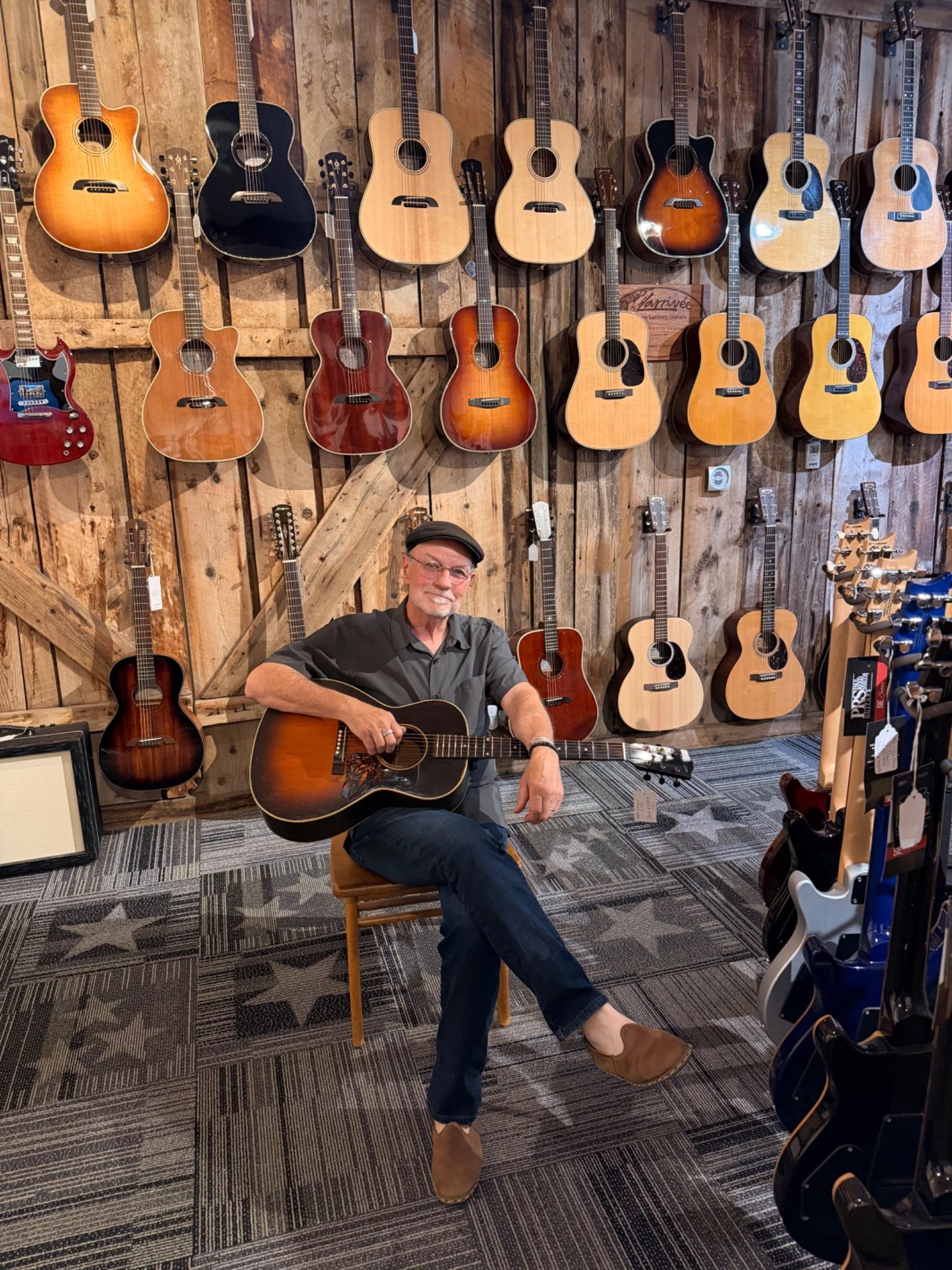
Congratulations on 25 years! When you look back at the journey from opening your first store in Little Rock to building Starr's Guitars in Cedaredge, what are the milestones you're most proud of?
What first comes to mind is true gratitude for my community and customers. And for the fact that I’ve managed to survive through a period of immense change in retail. But, I’m most proud of the fact that my shop is a community resource for not just instruments and accessories, but for advice and inspiration to those seeking to make music.
Independent music retailers have faced enormous changes over the past quarter century. What do you believe has allowed Starr's Guitars not only to survive, but to thrive?
Since everything is literally available everywhere in the internet age, I feel that we have to offer an experience beyond the online one. Creating a welcoming in-store vibe and offering great customer service is what we are all about. My manager, Candace McCoy, is a true treasure when it comes to making folks feel at ease when they come into the shop.
In an era of online shopping, what can an independent music store offer that simply can't be replicated through e-commerce?
I think the main thing is that we work to provide that experience for our customers. We offer not just gear, but a certain amount of institutional knowledge that simply cannot be imparted in a click-to-buy setting. I grew up playing in bands and I spent many a Saturday in my local music store when I was young. The online-only approach is aimed at offering a purchase and not much else. I want people to leave my shop knowing they paid a fair price for the right instrument or piece of gear.
You're in the unique position of being both a touring, recording artist and a music retailer. How has your experience as a working musician influenced the way you buy inventory, interact with customers, and run the business?
It goes back to that institutional knowledge thing. I’ve had the opportunity to spend enough time on the road and in the studio to know it’s the individual who makes the magic, not the gear. But the right gear in the right hands makes all the difference. The internet tells the consumer a different story. There is no substitute for a hands-on experience when it comes to musical instruments.
Starr's Guitars has become much more than a retail store — it's helped establish Cedaredge as a destination for music and the arts. Was community-building always part of your vision, or did that evolve organically over time?
My philosophy is that if you want the community to support you, you must support the community. My shop is involved in all kinds of local efforts. Our arts center, local community radio stations and songwriter festivals are good examples. We stand behind those events and institutions both financially and with gear when needed.
Through initiatives like the Grand Mesa Songwriter Festival, AppleFest, and your work with the Grand Mesa Arts & Events Center, you've invested heavily in your local music scene. How have those efforts strengthened the store, and how has the store strengthened the community in return?
I’ve helped curate and sponsor the music for Applefest for 25 years. My shop is the main sponsor for our songwriter festival. And, I am a founding board member of the Grand Mesa Arts & Events Center. I think all of those activities have helped Starr’s Guitars become a local hub for a music scene in Cedaredge, Colorado that just didn’t exist 25 years ago. My parents' example of investing in the arts has been a big motivating factor in my decisions to support these and other local activities and organizations. I also work with and sponsor a veterans music therapy program that helps vets work through PTSD issues via songwriting.
Vintage and used instruments remain a major draw for guitar enthusiasts. What do you look for when selecting instruments for the shop, and what trends are you seeing in today's guitar market?
I look for high quality vintage and used instruments that I can buy at a competitive price. Name brands are preferred since that’s what players are most often looking for. I get a lot of my instruments from longtime customers who’ve decided to sell their guitars for any number of reasons. I prefer to buy them outright as opposed to consigning them. They usually prefer that arrangement as well.
Looking across the industry today, what advice would you give to other independent music retailers trying to differentiate themselves and remain relevant in an increasingly competitive marketplace?
I’d advise them to seek out opportunities to support local arts initiatives in ways that support their store mission. It doesn’t cost much to get involved and it pays off in local support. In a world where online shopping is so easy for folks, it’s just not enough to hang guitars on the wall and wait; retailers have to be proactive in their communities and neighborhoods. Evolution and reinvention are also the key. As manufacturers continue to sell direct to consumers online and as those companies often push dealer quotas, I have made the deliberate decision to offer more vintage and used instruments. Since we are off the beaten path, folks have to make an extra effort to find us. I want that trip to be worth it by offering something personal that big box stores can’t. I also try to make shifts in inventory price points when economic conditions warrant.
After 25 years, are there any customer stories or memorable moments that perfectly capture what Starr's Guitars has meant to musicians over the years?
I’ve watched a number of young kids take lessons or buy their first instrument here and go on to grow into mature, seasoned players and performers. There’s a young gal who started out on a junior-sized guitar when she was barely big enough to hold it. She is now a regular open mic favorite and will be playing her first paying gig this weekend. She’s done the work, but I am honored to have been along for the journey!
As you celebrate this milestone, what excites you most about the future — both for Starr's Guitars and for the role independent music stores will continue to play in inspiring the next generation of musicians?
I am most excited when a young family comes in with a child who wants to play an instrument. And I’m seeing that more lately! Our job is to help parents spend wisely and get full value when they make a purchase.