Sometimes a name says it all. It certainly does in Wales, which is known within its borders and far beyond as the land of song. Small wonder, then that this land, which has given us the late, great Bonnie Tyler, takes its singing seriously. This is evident in the passionate following that Y Llais, the Welsh-language edition The Voice, has acquired since its debut last year.
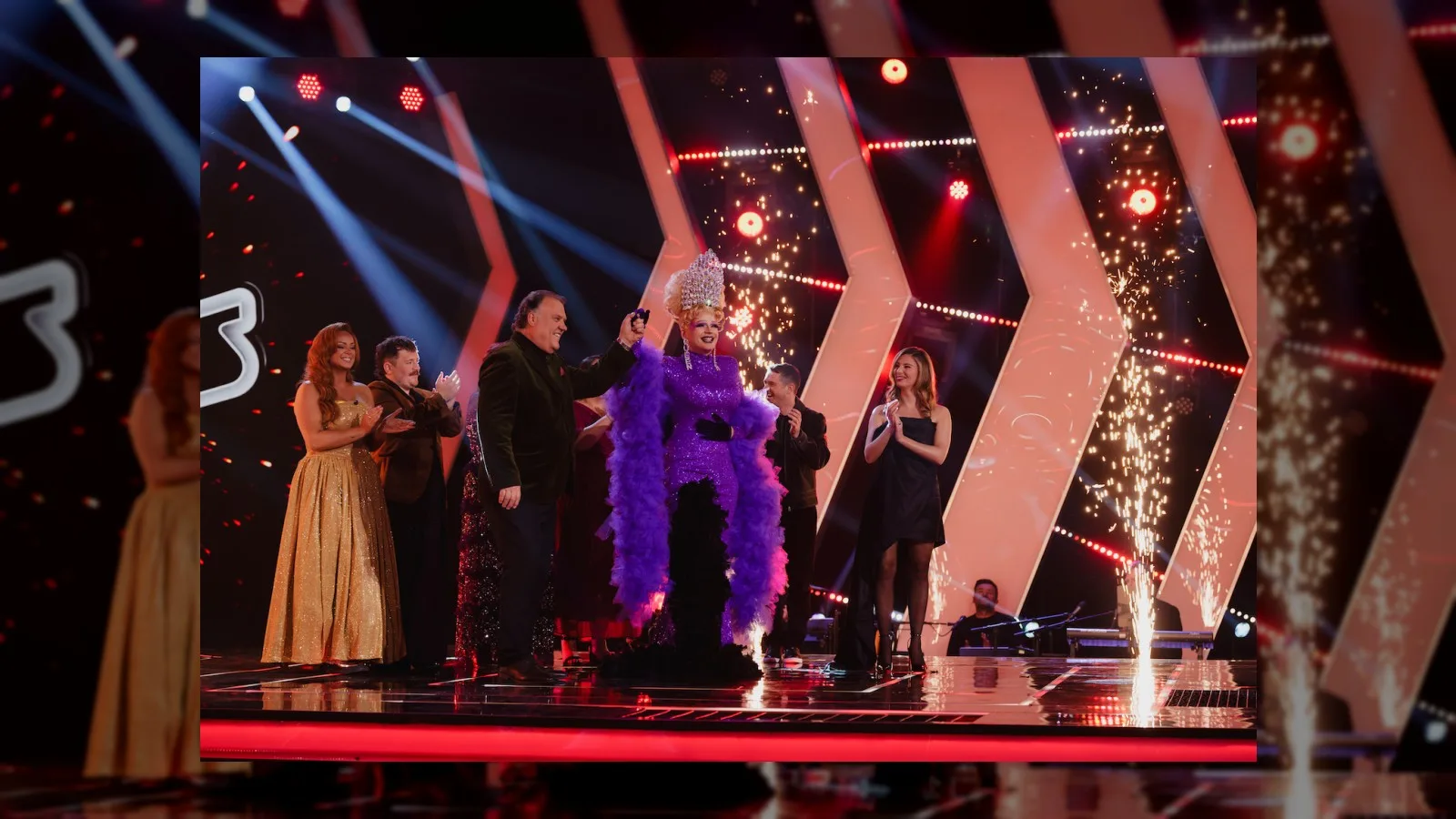
There may be bigger national editions of The Voice franchise around the world, but certainly none more passionate. Providing a vibrant backdrop for this widely followed program, which aired this year on S4C, was a dynamic lighting design by director Andy Stagles, founder of Lighting Director Limited.
Working with producer Boom Cymru at Dragon Studios in Bridgend, South Wales, Stagles created a first-class lighting design for Y Llais. I pride myself on getting the most out of the small budget – it requires me to think outside the box, he said. Before recording starts, I develop my lighting designs within the 3D virtual world. Production will send me each music track set to be performed, and I tailor each lighting look to the individual track – which can range from a rock number to a slow ballad. This way, we’ve been able to spend a couple of hours previsualizing each track and refining each look.
Helping Stagles achieve this impressive staging, highly polished production and striking, theatrical visuals, was his lighting and video programmer, LD Bill Peachment who worked with a ChamSys MagicQ MQ250M Stadium console plus an extra wing that also triggered video content on their custom media server running MediaMaster.
ChamSys is my go-to console, comments Peachment. I can build complex effects in a simple and logical way, especially with multi-element fixtures. The MagicQ software is robust and really lends itself to the fast-changing demands of TV production. Our main MQ250M console and the MagicQ Stadium Connect worked very well for tracking backup and allowed Andy and me to work together to control levels and follow spot outputs. Having the faders tied together means that, with multiple operators, we can focus on different areas while staying in the same ecosystem.
This is especially true with the integration of MediaMaster, as the screen can now be treated as a fixture, continued Peachment, The MediaMaster LED Mapper, makes running content across multiple surfaces easy and quick to set up. You just drag and drop content on the site. The MagicQ Fast Effects Engine has also been a time saver, as it allows changes on the fly. Another thing is the new shuttering GUI, which has been excellent addition. It makes shuttering controls easy to recall.
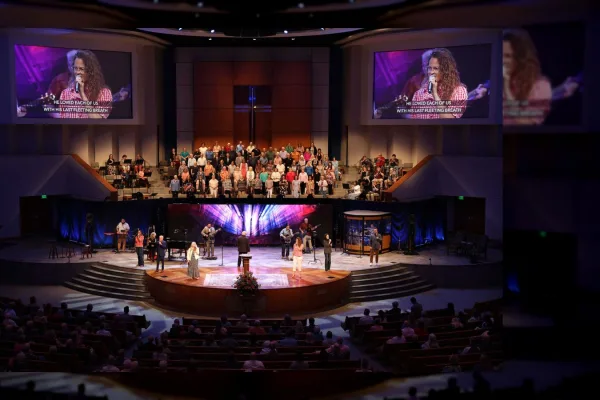
Y Llais featured a set by designer David Marson that seamlessly wove physical set elements with a video screen on the rear. This allowed greater depth to be created on stage, which resulted in Better 3D outcomes on camera.
Dave designs the set, and I visualize and light it before presenting the 3D models to the production team, said Stagles. You need to consider how the lighting looks on camera. If you’re in the studio, beam lights – for example – might not look as vivid as they would for a concert, because of the constraints of TV. Our eyes have a much higher contrast ratio than the cameras – so the difference between things that are bright, and dark is much more subtle when on camera, compared to being in the audience.
For more information, visit chamsyslighting.com.